wtorek, 21 stycznia 2014

niedziela, 8 grudnia 2013
A trip to the Owl Mountains Landscape Park
In October 2013 in Poland we had wonderful weather - ideal for climbing our nearest mountains. That's why we went on a trip to Wielka Sowa (Great Owl) the highest peak in our Owl Mountains and it's also situated in the Owl Moutains Landscape Park. Wiktoria made a film to let you see what we saw on our trip.
środa, 4 grudnia 2013
Quiz about wild animals
Below you can see a film with 25 photos of wild animals. All the photos were taken by Polish students and they show wild animals which live in Poland. The task for students is to find out what are the names of the animals. Write the answers on a paper and give your teacher. Good luck!
Wild animals in Poland on PhotoPeach
poniedziałek, 18 listopada 2013
2nd videomeeting
On 18th November 2013 after many attempts Greek and Polish students met on Skype. They wanted to disccuss about their pets. Polish students saw Greek students' drawings and heard their aminals descriptions in English.
piątek, 1 listopada 2013
Swallows - House Martin
In Poland all kinds of swallows are endangered and are now protected. In Dzierżoniów we have house martins and we watched them make the nest and then how they take care of their babies. We made a film showing the life of house martins.
Narew National Park
Narew is a river in north-east Poland in a very flat area. In 1996 they founded Narew National Park, where you can see amazing views, plants and animals.
 And the presentation about Narew National Park by Wiktoria.
 And the presentation about Narew National Park by Wiktoria.
sobota, 12 października 2013
Stolowe Mountains National Park
Stołowe Mountains National Park is one of the Park in the Sudetes - the oldest mountains in Europe. Stołowe (Table) Mountains are quite near our town Dzierżoniów. Wiktoria made a presentation about this Stołowe Mountains National Park.


wtorek, 1 października 2013
Best photos of nature taken by Polish students
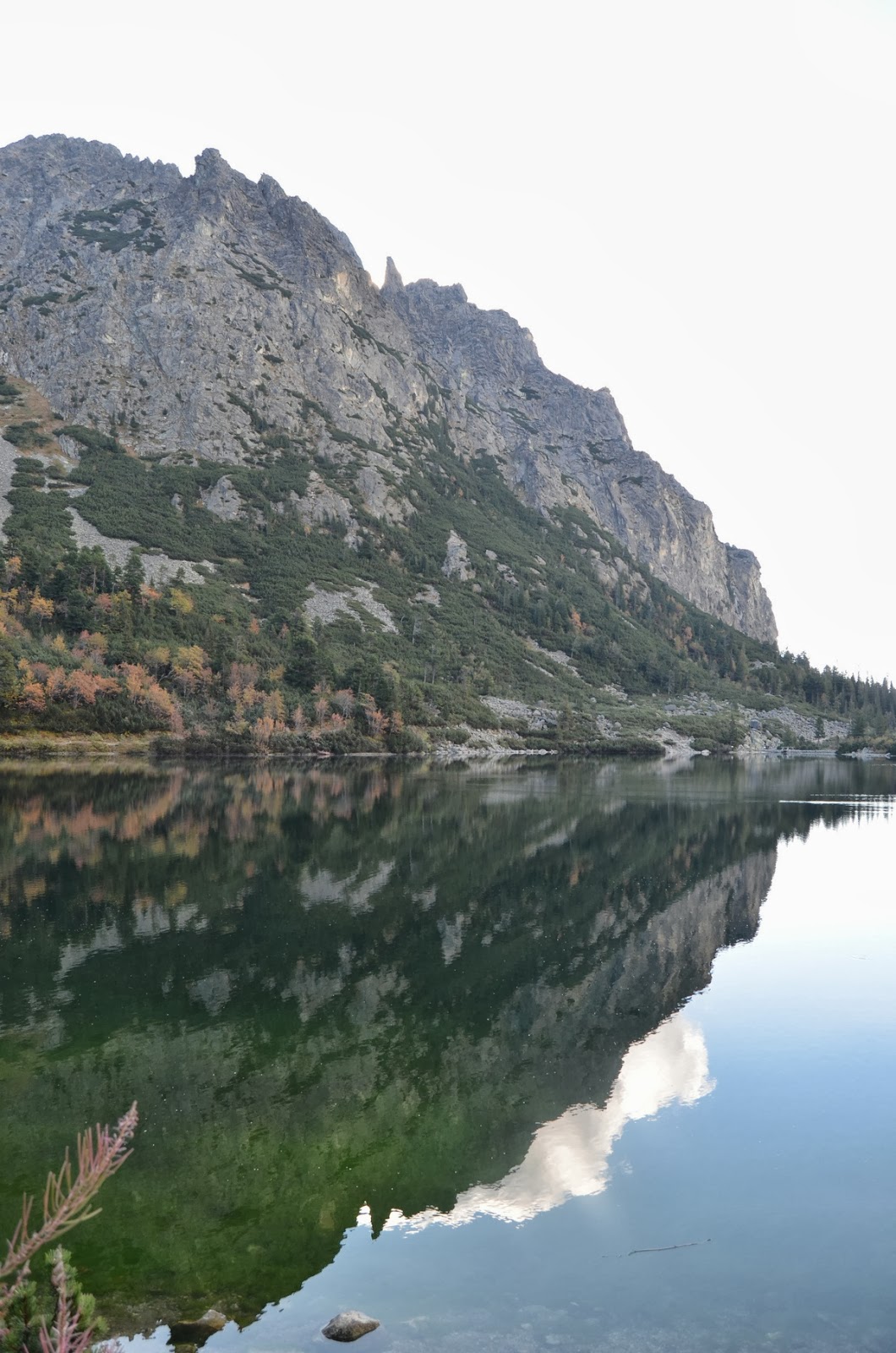
At last we have finished our internal photo competition of nature. Many students took par in it and it was very difficult to choose the best ones. The swallowtail caterpillar is just amazing. The sand lizard without a tail and mountainous lake in Tatras are very impressive as well.


sobota, 14 września 2013
Syrian woodpecker in Poland
On holiday we were lucky and we saw Syrian Woodpecker in Dzierżoniów. They are very rare birds in Poland and we found out they don't live in our region, but one visited us. Do you see Syrian woodpeckers in Greece and Bulgaria? As we read they live in the Balcan Peninsula.

Click here to see our film with Syrian woodpecker in Dzierżoniów.

Click here to see our film with Syrian woodpecker in Dzierżoniów.
niedziela, 8 września 2013
Tatra National Park
In the Tatras we have a beautiful nature and there's a national park on this area. Wiktoria and Mela show you the beauty of Tatra National Park.
 Presentation by Wiktoria
Mela visited the Tatra national Park with her family and took photos of nature:
Mela visited the Tatra national Park with her family and took photos of nature:
piątek, 12 lipca 2013
EDELWEISS


TULIPA URUMOFFI


wtorek, 9 lipca 2013
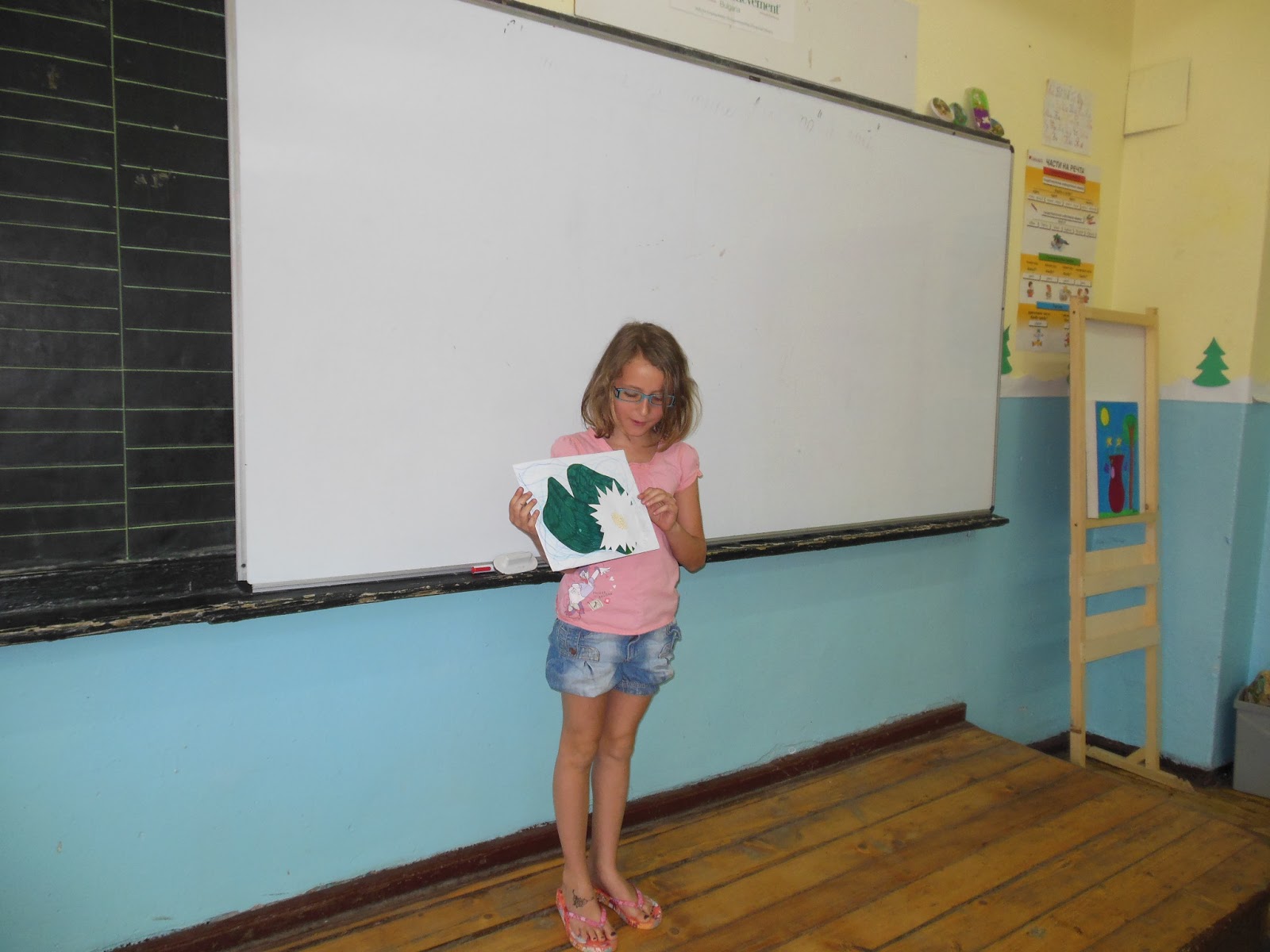
WHITE LOTUS


poniedziałek, 8 lipca 2013
sobota, 6 lipca 2013
Spring in Poland by Wiktoria
Wiktoria took a lot of photos, including animals! And made a film presenting nature of Poland in spring.
niedziela, 30 czerwca 2013
ALPINE TRITON POSTER

Alpine Triton is three tons retail
SALAMANDER. Length reached 9 cm in males and 12 cm for females.
During the breeding season in Spring,
males have blue staining back side with black and white dots, and the abdomen
have a blue stripe. They have small comb back is colored in yellow and black.
Females are gray brown with green spots, to hide in the water. Belly and both
sexes is bright orange. After the breeding season, adult specimens become
darker, almost black color, designed to disguise the land.
In Bulgaria Alpine Triton found in
isolated groups in the Balkan Mountains (Petrokhan) Osogovska, Rila (Seven Rila
Lakes), Rhodope Montain (Smolyan Lakes) and Average forest.
Alpine Triton prefers dense deciduous
forests with an abundance of water in the hilly
and mountainous areas. Hardly lives outside woods. Alpine Triton lives near mountain lakes and wetlands. In
breeding season live more often in the water and the rest the year mainly on
land. There he lies beneath dry leaves, decaying trees and stumps.
After waking up from hibernation moved
to water in preparation for spawning.
It feeds on small invertebrate. The
female lays 100-200 eggs.
Made by Gabriel Nikolov
czwartek, 27 czerwca 2013
Storks in Bulgaria

Storks
are large, long-legged, long-necked wading birds with long, stout bills.
The
storks occur in many regions of the world
and that those groups use to eat fish. The storks have no syrinx and are
mute. The bill clattering is an important mode of stork communication at the
nest.
Many
species are migratory. Most storks eat frogs, fish, insects, earthworms, small
birds and small mammals.
There
are 19 living species of storks in six genera.
Their
nests are often very large and may be used for many years. Some nests have been
known to grow to over 2 m in diameter and about 3 m in depth.
For
you – Nature detectives 3rd grade
Щъркелите
са
големи, дългокраки, с дълги и здрави клюнове блатни птици.
Щъркелите се появят в много региони
на света и се хранят с риба. Щъркелите
нямат трахея и са напълно безгласни. Тракането
е важен начин за комуникация в гнездата.
Има 19 живи вида щъркели
в шест рода. Много
от видовете са мигриращи.
Повечето щъркели ядат жаби,
риби, насекоми, земни червеи, малки птици и дребни бозайници.
Техните гнезда са често много големи и могат да се използват в продължение на много години. Някои гнезда нарастват
до над 2 м в диаметър и около 3 м дълбочина.
За вас – природолябителите от 3 клас
niedziela, 19 maja 2013
Blackbird
Krzysiek was lucky and recorded the blackbird singing on a sunny day. Do you know this lovely birs?
Subskrybuj:
Posty (Atom)